
Division 01 — Metallurgical / Non-Ferrous / Copper
Copper Treatment
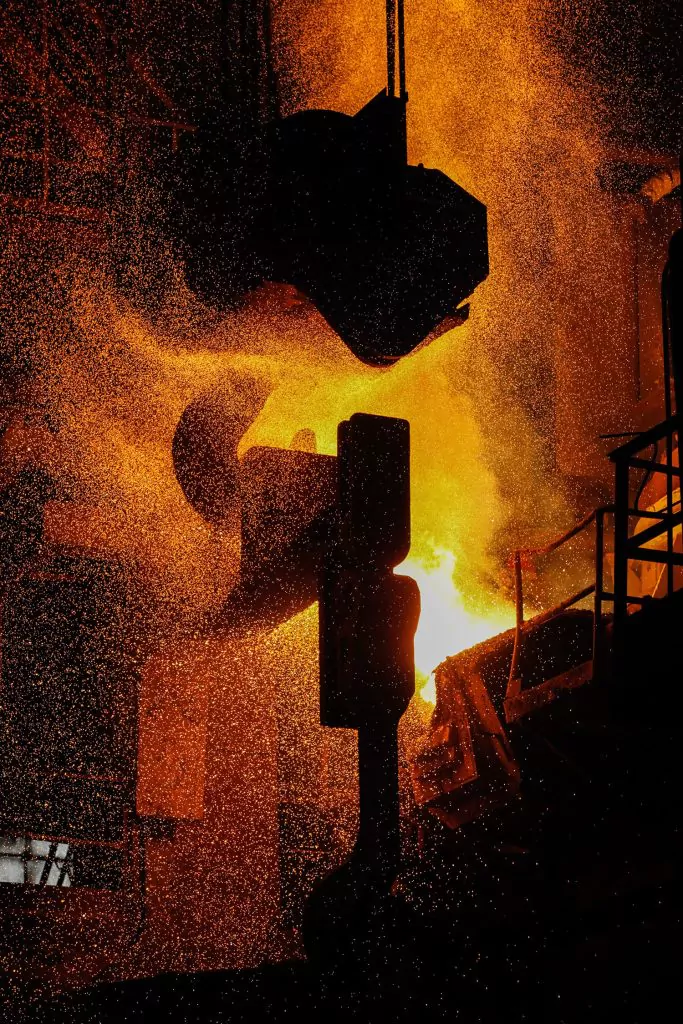
Copper treatment is the chemical treatment of molten copper and copper alloys (bronze, brass) — covering fluxes, deoxidisers, and degassing — to prevent oxidation, remove dissolved gas, and protect the melt for clean pours.
CFC Egypt manufactures a targeted range of copper treatment products — EGYFLUX CU copper fluxes and EGYTAB CU degassing tablets — specifically formulated for the oxidation and gas challenges of copper-alloy melting. Copper is one of the most reactive molten metals in common foundry use: it absorbs hydrogen readily from atmospheric moisture and from moulding materials, and its surface oxidises rapidly to form cuprous oxide if left unprotected. Our EGYFLUX CU flux range provides effective melt surface coverage and oxidation prevention across the principal copper alloy families — including tin bronze, gunmetal, brass, and aluminium bronze — while EGYTAB CU delivers controlled, consistent degassing before each pour.
01
Ce qu'il couvre
Copper treatment covers two product types that work together to protect the melt from oxidation and remove dissolved gas before casting.
01
Flux à base de cuivre
Covering and protective flux powders applied to the surface of the copper or copper-alloy melt to form a molten protective layer that prevents oxidation, captures oxide impurities, suppresses zinc vapour loss in brass, and holds contaminants in the slag for clean skimming before the pour. CFC supplies four grades — EGYFLUX CU, EGYFLUX CU 500, EGYFLUX CU 900, and EGYFLUX CU CR — to cover the range of copper alloy types and melting temperatures.
02
Degassing Tablet
EGYTAB CU — pre-measured compact degassing tablets plunged to the base of the copper melt with a steel rod. The tablet releases gas that nucleates hydrogen-laden bubbles throughout the bath, allowing dissolved hydrogen to escape at the surface before pouring. Consistent dosing and minimal fume make EGYTAB CU the preferred degassing method for both induction and oil-fired copper foundry furnaces.
02
Domaines d'utilisation
Copper alloy castings are used wherever corrosion resistance, wear resistance, and electrical or thermal conductivity are required. CFC copper treatment chemistry supports foundries across the following sectors.
Marine & Naval Fittings
Propellers, propeller hubs, sea valves, and through-hull fittings are cast in tin bronze and aluminium bronze for their resistance to seawater corrosion. Marine castings must be pressure-tight and free of gas porosity — a single gas void in a sea valve or hull fitting is a safety defect. Degassing with EGYTAB CU before each pour, combined with effective flux cover throughout the melting and holding period, is standard practice in marine bronze foundries producing to classification society standards.
Pumps, Valves & Fittings
Bronze and brass pump casings, impellers, gate valves, ball valves, and pipe fittings for water, gas, oil, and chemical service are among the highest-volume copper alloy castings. Pressure integrity is non-negotiable; clean, porosity-free metal — achieved through proper flux and degassing treatment — is the primary requirement. Valves and fittings destined for certification to international pressure vessel standards require documented melt treatment as part of process control records.
Electrical & Power Engineering
High-conductivity copper castings for busbars, switch contacts, current-carrying components, and electrical connectors require very clean metal with minimal oxide and gas inclusions that would reduce electrical conductivity and mechanical strength at connection points. Effective flux coverage and degassing to eliminate oxide inclusions and gas porosity are critical for electrical-grade copper castings, where conductivity specification tolerances are tight.
Bearings & Wear Parts
Phosphor bronze and gunmetal bearings, bushings, worm wheels, and wear plates are cast for industrial machinery, marine gearboxes, and hydraulic systems. Sound internal structure — free of gas porosity and oxide inclusions — is essential for bearing castings, where subsurface defects accelerate fatigue failure under load and reduce service life. Consistent melt treatment with copper flux and degassing tablets ensures the metal cleanliness required for load-bearing copper alloy components.
Bronze décoratif et architectural
Architectural bronze and decorative brass castings — door furniture, railings, plaques, sculptures, and commemorative pieces — require clean, defect-free surfaces with consistent colour and texture. Gas porosity, oxide inclusions, and zinc-loss pitting are the main quality defects that spoil decorative castings. Proper flux coverage minimises dross entrainment and zinc vapour loss, while degassing prevents the subsurface gas blisters that appear as pitting after polishing or patination.
03
Produits CFC pour le traitement de l'aluminium
EGYFLUX CU copper fluxes — available in four grades for different alloy types and temperature ranges — and EGYTAB CU degassing tablets. All manufactured in Sadat City, Egypt.

EGYFLUX CU 500
Retardateur de prise et superplastifiant pour béton (ASTM C-494 - Type A, D & G)
EGYFLUX CU 900
Retardateur de prise et superplastifiant pour béton (ASTM C-494 - Type A, D & G)
EGYFLUX CU CR
Retardateur de prise et superplastifiant pour béton (ASTM C-494 - Type A, D & G)
EGYFLUX CU
Retardateur de prise et superplastifiant pour béton (ASTM C-494 - Type A, D & G)