Division 01 — Metallurgical / Non-Ferrous

Non-Ferrous Metal Treatment

Non-ferrous metal treatment is the foundry chemistry used to melt, refine, and cast non-iron metals — primarily aluminium, copper, and their alloys — covering fluxes, degassing, grain refinement, and modification that control melt cleanliness, gas content, and final mechanical properties.

CFC Egypt manufactures a complete range of non-ferrous treatment products from our Sadat City plant. Our aluminium flux and degassing range addresses every stage of the aluminium melting cycle — from protecting the melt surface against oxidation through covering and drossing fluxes, to removing dissolved hydrogen via degassing flux powders and tablets, to recovering metal from hot skimming and cleaning furnace walls. For copper and copper-alloy foundries, we supply purpose-formulated copper fluxes and degassing tablets that prevent the oxidation and gas pickup that degrade bronze and brass castings.

02

مكان استخدامه

Non-ferrous castings appear in applications where low weight, electrical conductivity, corrosion resistance, or decorative finish is required. CFC non-ferrous treatment chemistry is used across a wide range of industries.

Automotive — Aluminium Die & Gravity Casting

Aluminium is now the dominant casting metal for automotive structural components — cylinder heads, engine blocks, gearbox housings, suspension knuckles, and wheel hubs are all routinely cast in aluminium alloys by high-pressure die casting (HPDC), low-pressure die casting (LPDC), and gravity permanent-mould processes. Degassing, covering, and release chemistry are critical to achieving the internal soundness, dimensional accuracy, and surface quality demanded by automotive OEMs.

Copper, Bronze & Brass Foundries

Bronze and brass castings — propellers, pump impellers, valve bodies, bearings, and decorative fittings — require clean melts free of hydrogen gas and surface oxide inclusions. Copper alloys absorb gas rapidly and are sensitive to oxidation; covering and degassing flux chemistry applied at the furnace is the primary means of controlling melt quality before the pour. CFC copper fluxes are formulated for the full range of copper alloy grades including Cu-Sn bronze, Cu-Zn brass, and Cu-Al aluminium bronze.

Electrical & Electronics

Aluminium and copper castings are used extensively in electrical infrastructure — transformer housings, bus bars, cable connectors, motor housings, and switchgear components. Electrical applications demand high conductivity, which requires very clean metal free of oxide inclusions and gas porosity. Degassing and flux treatment to remove hydrogen and oxides are therefore essential process steps for foundries supplying the electrical sector.

Architectural & Decorative Casting

Aluminium and bronze castings are widely used for architectural elements — facades, railings, door furniture, sculpture, and commemorative pieces — where surface finish and freedom from porosity are as important as mechanical properties. Covering and cleaning fluxes that minimise dross formation, combined with appropriate release agents, help foundries achieve the clean, defect-free surfaces required for decorative applications with minimal post-cast finishing.

General Engineering

From marine hardware and hydraulic fittings to food-processing equipment and instrumentation housings, non-ferrous castings cover a broad segment of general engineering. Secondary aluminium foundries smelting scrap alloy benefit particularly from CFC's demagging and cleaning flux range, which removes unwanted magnesium and alkali contamination from recycled metal to bring it back within specification before casting.

03

CFC Non-Ferrous Treatment Products

A selection of CFC metallurgical products directly applicable to aluminium and copper casting — covering, drossing, degassing, demagging, and furnace cleaning fluxes, degassing tablets, and mould release agents. All manufactured in Sadat City, Egypt.

إيجي فلوكس 400

مثبطات تثبيت الخرسانة والمواد فائقة التلدين (ASTM C-494 - النوع A وD وG)

EGYFLUX CU 500

مثبطات تثبيت الخرسانة والمواد فائقة التلدين (ASTM C-494 - النوع A وD وG)

EGYFLUX CU 900

مثبطات تثبيت الخرسانة والمواد فائقة التلدين (ASTM C-494 - النوع A وD وG)

EGYFLUX CU CR

مثبطات تثبيت الخرسانة والمواد فائقة التلدين (ASTM C-494 - النوع A وD وG)

EGYFLUX CU

مثبطات تثبيت الخرسانة والمواد فائقة التلدين (ASTM C-494 - النوع A وD وG)

EGYTAB CU

مثبطات تثبيت الخرسانة والمواد فائقة التلدين (ASTM C-494 - النوع A وD وG)

إيجي فلوكس 610

مثبطات تثبيت الخرسانة والمواد فائقة التلدين (ASTM C-494 - النوع A وD وG)

إيجي فلوكس 501

مثبطات تثبيت الخرسانة والمواد فائقة التلدين (ASTM C-494 - النوع A وD وG)

إيجي فلوكس 900

مثبطات تثبيت الخرسانة والمواد فائقة التلدين (ASTM C-494 - النوع A وD وG)

إيجي فلوكس 502

مثبطات تثبيت الخرسانة والمواد فائقة التلدين (ASTM C-494 - النوع A وD وG)

إيجي فلوكس 100

مثبطات تثبيت الخرسانة والمواد فائقة التلدين (ASTM C-494 - النوع A وD وG)

إيجي فلوكس 504

مثبطات تثبيت الخرسانة والمواد فائقة التلدين (ASTM C-494 - النوع A وD وG)

إيجي فلوكس 300

مثبطات تثبيت الخرسانة والمواد فائقة التلدين (ASTM C-494 - النوع A وD وG)

إيجي فلوكس 630

مثبطات تثبيت الخرسانة والمواد فائقة التلدين (ASTM C-494 - النوع A وD وG)

إيجي فلوكس 950

مثبطات تثبيت الخرسانة والمواد فائقة التلدين (ASTM C-494 - النوع A وD وG)

إيجي فلوكس 800

مثبطات تثبيت الخرسانة والمواد فائقة التلدين (ASTM C-494 - النوع A وD وG)

EGYHEX AL

مثبطات تثبيت الخرسانة والمواد فائقة التلدين (ASTM C-494 - النوع A وD وG)

EGYFLUX G 501

مثبطات تثبيت الخرسانة والمواد فائقة التلدين (ASTM C-494 - النوع A وD وG)

إيجي ديي 10

مثبطات تثبيت الخرسانة والمواد فائقة التلدين (ASTM C-494 - النوع A وD وG)

EGYFLUX G 502

مثبطات تثبيت الخرسانة والمواد فائقة التلدين (ASTM C-494 - النوع A وD وG)

إيجي دي 88

مثبطات تثبيت الخرسانة والمواد فائقة التلدين (ASTM C-494 - النوع A وD وG)

EGYFLUX G 504

مثبطات تثبيت الخرسانة والمواد فائقة التلدين (ASTM C-494 - النوع A وD وG)

EGYFLUX G 630

مثبطات تثبيت الخرسانة والمواد فائقة التلدين (ASTM C-494 - النوع A وD وG)

EGYFLUX G 800

مثبطات تثبيت الخرسانة والمواد فائقة التلدين (ASTM C-494 - النوع A وD وG)

EGYFLUX 700

مثبطات تثبيت الخرسانة والمواد فائقة التلدين (ASTM C-494 - النوع A وD وG)

EGYFLUX G 700

مثبطات تثبيت الخرسانة والمواد فائقة التلدين (ASTM C-494 - النوع A وD وG)

إيجي فلوكس 600

مثبطات تثبيت الخرسانة والمواد فائقة التلدين (ASTM C-494 - النوع A وD وG)

إيجي فلوكس 206

مثبطات تثبيت الخرسانة والمواد فائقة التلدين (ASTM C-494 - النوع A وD وG)

إيجي فلوكس 645

مثبطات تثبيت الخرسانة والمواد فائقة التلدين (ASTM C-494 - النوع A وD وG)

04

الأسئلة المتداولة

Technical and commercial questions on non-ferrous metal treatment answered plainly. For a specific application or product recommendation, contact our technical team.

Non-ferrous metal treatment is the foundry chemistry used to melt, refine, and cast non-iron metals — primarily aluminium, copper, and their alloys — covering fluxes, degassing, grain refinement, and modification that control melt cleanliness, gas content, and final mechanical properties. It includes all the chemical products applied to the melt or the mould surface to remove impurities, prevent oxidation, control solidification structure, and ensure clean, sound castings. The two main branches are aluminium treatment and copper treatment, each requiring different chemistry matched to the respective metal's thermochemistry and casting process.

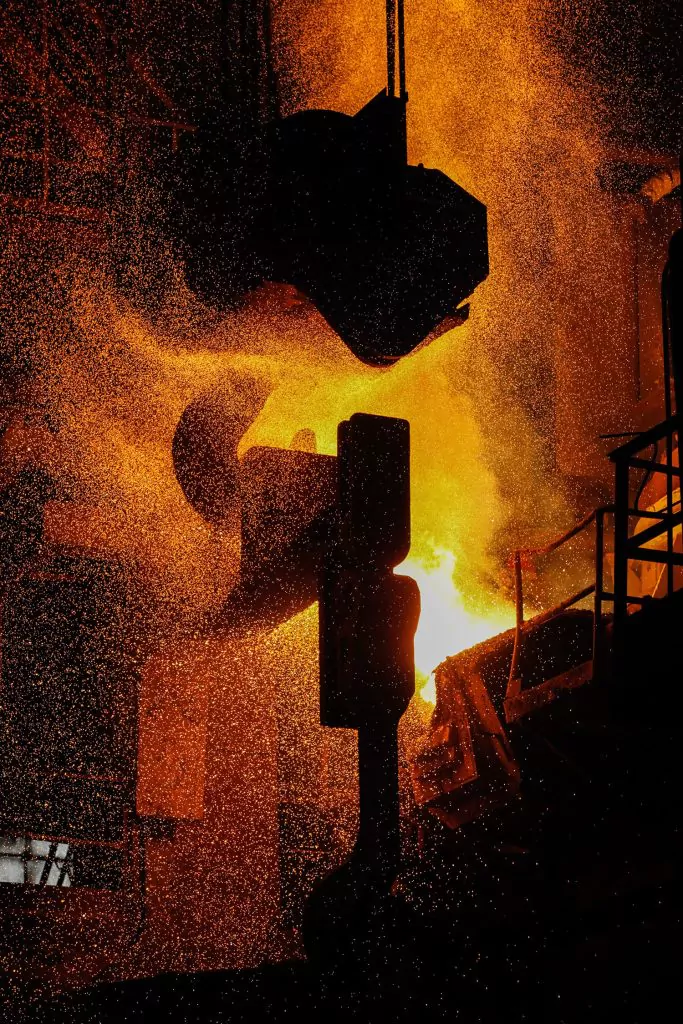
Ferrous metal treatment targets iron-based alloys — grey iron, ductile iron, and steel — which are cast at 1350–1600 °C and require high-temperature refractory mould coatings and specific binder systems. Non-ferrous treatment covers aluminium, copper, and their alloys, melted at lower temperatures (650–1100 °C), and uses a fundamentally different chemistry: degassing fluxes to remove dissolved hydrogen, covering and drossing fluxes to protect the melt surface from oxidation and recover metal from dross, demagging and alkali-removal flux for secondary aluminium, and lighter-duty release agents for permanent dies and sand moulds. The two ranges serve distinct engineering and chemical requirements and are not interchangeable.

Aluminium dissolves hydrogen readily from atmospheric moisture and from wet moulding materials during melting. As the melt solidifies, the solubility of hydrogen drops sharply and dissolved hydrogen comes out of solution as gas porosity — microscopic bubbles trapped within the solidified casting. Gas porosity reduces tensile strength, fatigue life, pressure tightness, and machinability, and is a primary cause of casting rejection. Degassing treatments — using flux powders that release reactive gas into the melt, or compact degassing tablets that are plunged below the surface — nucleate hydrogen-rich bubbles which rise and escape before the pour. Effective degassing is non-negotiable for structural and pressure-tight aluminium castings.

Covering fluxes are powder or granule mixtures spread on the surface of molten aluminium or copper to form a protective blanket that prevents contact between the liquid metal and the surrounding atmosphere. Without a covering flux, the melt surface oxidises continuously, forming a growing oxide skin and dross layer that can become entrained in the casting and cause inclusions or surface defects. Covering fluxes reduce oxidation losses, suppress dross formation rate, and — when formulated with a drossing action — help recover entrapped metal from the dross layer, improving metal yield and reducing scrap. They are applied continuously during holding and between taps.

CFC Egypt manufactures treatment products for the two main non-ferrous foundry metals. Our aluminium treatment range covers all common casting alloy families — LM series (LM2, LM6, LM24, LM25), EN AC series, A380, A356, and secondary/recycled aluminium. Our copper treatment range is formulated for the principal copper alloy families: tin bronze, gunmetal, brass (Cu-Zn), and aluminium bronze (Cu-Al). For both metals we offer flux variants to suit different furnace types (induction, resistance, reverberatory), melt sizes, and alloy sensitivity levels. Contact our technical team to match the right product to your specific alloy and process conditions.

تحدث إلينا

Ready to improve your non-ferrous casting process?

Tell us your metal, your alloy grade, your furnace type, and your current quality challenges. Our technical team will recommend the right flux, degassing, and release chemistry for your specific operation — and support you from initial trial through to volume supply.