Division 01 — Metallurgical / Non-Ferrous / Aluminium
Aluminium Treatment
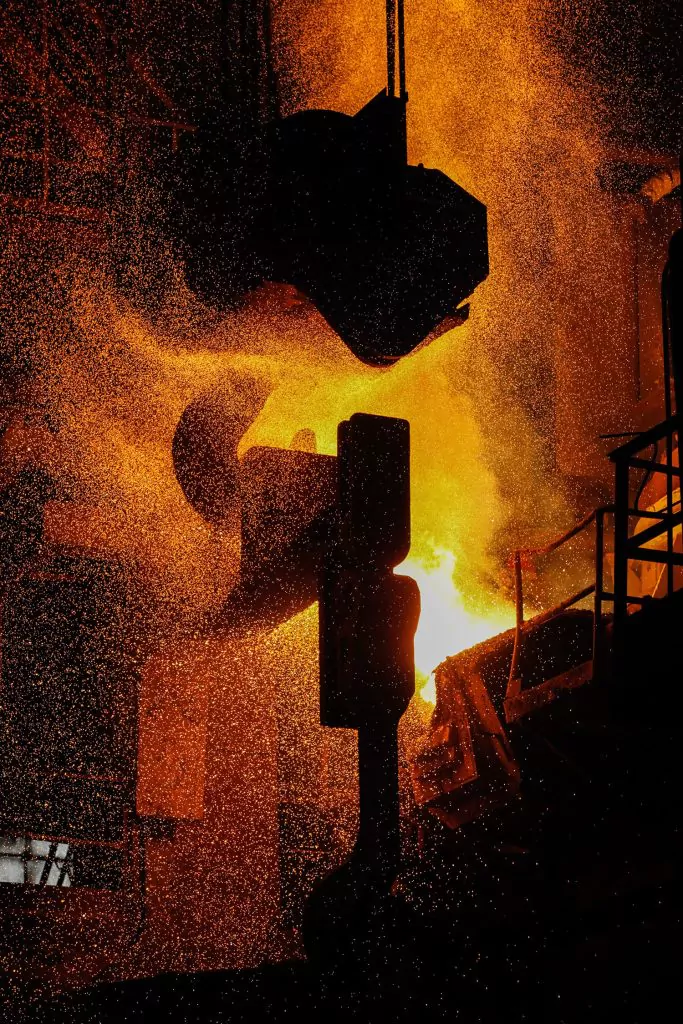
Aluminium treatment is the chemical treatment of molten aluminium and its alloys — covering, drossing and cleaning fluxes, degassing, grain refinement, and modification — to remove oxides and dissolved hydrogen, recover metal from dross, and deliver clean, sound castings.
CFC Egypt manufactures one of the region's most comprehensive aluminium flux ranges from our Sadat City plant. Our EGYFLUX series addresses every stage of the aluminium melting and casting cycle — protecting the melt surface against oxidation, degassing the bulk metal to remove dissolved hydrogen, recovering metal from dross, cleaning furnace walls, treating specific alloy contaminants such as excess magnesium and alkali metals, and providing mould release for permanent-mould and die-casting tooling. Variant formulations cover sodium-free, fluoride-free, calcium-free, and combined exclusion requirements to match alloy specification, regulatory compliance, and environmental policy.
01
What It Covers
Aluminium treatment spans twelve product types, each addressing a specific function in the melting, holding, and casting cycle. Detailed product pages for each type are available via the links below.
01
Covering, Drossing & Cleaning Fluxes
Multi-function flux powders and granules that protect the melt surface from oxidation, work dross to recover entrapped metal, and reduce suspended oxide inclusions. The workhorse product group for any aluminium melting operation.
02
Sodium-Free Flux
Covering and drossing fluxes formulated without sodium compounds — essential where sodium contamination would over-modify Al-Si alloys or where sodium residues in dross create disposal issues. Suitable for sodium-modified alloys where flux sodium must not add to alloy sodium budget.
03
Fluoride-Free Flux
Flux formulations free of fluoride salts — eliminating the HF fume risk of standard fluoride-bearing fluxes, reducing fume extraction requirements, and simplifying dross disposal by avoiding fluoride-regulated waste. Suited to foundries with strict fume emission limits.
04
Sodium & Calcium-Free Fluxes
Specialist fluxes excluding both sodium and calcium — required where alloy specifications prohibit both elements, or where calcium contamination from flux residues would cause sludge formation or intermetallic compound build-up in the melt.
05
Fluxes for Alkali Removal
Reactive flux formulations designed to reduce alkali metal concentrations — sodium, lithium, and potassium — in the aluminium melt. Elevated alkali levels cause porosity, loss of mechanical properties, and poor oxide structure. Alkali removal is especially important when processing mixed-source secondary aluminium scrap.
06
Furnace Wall Cleaning Flux
Specialist flux applied to furnace refractory walls to dissolve and detach oxide and dross build-up — the adherent deposits that accumulate above the bath line over time, reducing furnace capacity and introducing contamination into the melt. Regular wall cleaning prevents capacity loss and extends refractory life.
07
Demagging Flux
Reactive flux for reducing excess magnesium in the aluminium melt — essential when processing secondary aluminium with variable Mg content, or when alloy Mg has drifted above specification. Excess Mg causes hot shortness in die casting and difficulty releasing castings; demagging flux reacts with and removes the surplus Mg as slag.
08
High-Pressure Die Casting Flux
Flux formulated specifically for high-pressure die casting (HPDC) furnaces and holding pots — where the high metal velocity and turbulence during injection demand a clean, oxide-free melt. Reduces oxide films and inclusions that cause surface defects, porosity, and die erosion in HPDC production.
09
Degassing Flux
Powder flux that releases gas into the aluminium melt to scavenge dissolved hydrogen. Effective degassing before each pour minimises gas porosity — the most common internal defect in aluminium castings — improving pressure tightness, mechanical properties, and x-ray quality of critical castings.
10
Reclamation of Aluminium from Hot Skimming
Flux applied to freshly skimmed hot dross to recover the remaining metallic aluminium. Hot dross can contain 30–60% entrained metal; reclamation flux, worked into the hot dross immediately after skimming, separates this metal for recovery rather than landfill — improving overall metal yield and reducing waste disposal cost.
11
Degassing Tablets
Pre-measured compact degassing tablets (EGYHEX AL) plunged to the furnace floor using a steel rod — releasing gas consistently throughout the bath depth. Tablets offer controlled dosing, minimal fume compared with powder degassing, and are particularly suited to smaller induction furnaces, crucible furnaces, and ladles where powder dispersion is impractical.
12
Mould Release Agent
Release agents (EGYDYE 10, EGYDYE 88) applied to permanent moulds, gravity-casting dies, and sand cores to prevent aluminium from bonding to the mould surface. Good release chemistry prevents soldering, protects die surfaces from erosion, and maintains casting surface quality over many production cycles without excessive build-up.
02
Where It's Used
Aluminium treatment chemistry is required in every foundry and casting plant that melts aluminium alloys — from primary ingot casters and automotive HPDC cells to secondary aluminium remelters and jobbing gravity foundries.
Automotive Die Casting (HPDC & LPDC)
High-pressure die casting of aluminium engine components, structural nodes, and EV battery housings demands extremely clean metal. Any oxide film entrained during injection causes cold-shuts, surface blisters, and porosity that fail post-cast x-ray or pressure testing. HPDC flux, degassing, and covering chemistry — applied in the holding furnace before each shot — are critical process controls for automotive quality levels.
Gravity & Low-Pressure Permanent Mould
Gravity and low-pressure casting of wheels, cylinder heads, and pump housings uses the same flux and degassing chemistry at the melting furnace, plus mould release agents on the steel die surfaces. Release agent selection — water-based vs solvent-based, dilution rate, spray pattern — directly affects die temperature, casting release, and surface appearance. CFC EGYDYE release agents are formulated for aluminium permanent-mould applications.
Secondary Aluminium Remelting
Remelters processing scrap aluminium face the full range of melt chemistry challenges: variable alloy composition, elevated Mg and alkali levels, high dross generation, and furnace wall build-up. CFC's complete aluminium flux range — covering, drossing, alkali-removal, demagging, furnace wall cleaning, and reclamation fluxes — addresses each of these issues systematically, improving metal recovery and bringing recycled alloys back within specification.