Division 01 — Metallurgical / Refractories

Refractories Materials

Refractory materials are the heat-resistant linings, coatings, and consumables that withstand the extreme temperatures of melting and casting — furnace and ladle linings, patching compounds, and protective coatings.

In every foundry, refractories are the first line of protection between molten metal at temperatures of 650–1650 °C and the structural shell of furnaces and ladles. A refractory lining that fails mid-heat is a process safety incident; one that wears unevenly shortens service life and introduces contamination into the melt. CFC Egypt manufactures a range of refractory patching compounds — EGYPATCH M and EGYPATCH F for furnace and ladle repair, and EGYPATCH 220 for specialist applications — from our Sadat City plant. These products allow foundries to extend lining service life between full relining shutdowns through targeted spot repair. For full lining systems — castables, ramming mixes, shaped refractories, and insulating materials — CFC's Trading Division sources and supplies a comprehensive refractory range complementing our manufactured products. Cross-reference also the Patching Materials category within Ferrous Metal Treatment.

01

What It Covers

Foundry refractory materials divide into functional groups based on their application in the melting and casting process.

01

Patching Materials

Refractory patching compounds (EGYPATCH M, EGYPATCH F, EGYPATCH 220) for spot repair of worn furnace linings, ladle linings, and mould surfaces. Applied cold or warm to damaged areas between heats, patching materials restore the minimum lining thickness required for safe operation, extending service life between full relining campaigns. EGYPATCH M is magnesia-based for high-temperature ferrous applications; EGYPATCH F is fireclay-based for grey and ductile iron ladles and furnaces.

02

Furnace & Ladle Linings

Complete refractory lining systems for induction furnaces, cupolas, electric arc furnaces, and casting ladles — castables, ramming mixes, pre-formed shapes, and trowelling materials selected for the specific metal, temperature, and service conditions. Sourced and supplied through the CFC Trading Division. Contact us to discuss your lining requirements, vessel dimensions, metal type, and target service life.

03

Refractory Coatings

Colloidal and refractory wash coatings applied to the working face of a lining to seal the surface, reduce metal penetration, and extend refractory life between patches. Refractory coatings are distinct from mould coatings: they are applied to metal-handling equipment (ladles, runners, filters) rather than to the mould face, and are formulated for multiple heat cycles rather than single use.

04

Insulating Materials

Insulating castables, boards, and blanket materials applied behind or between working and safety linings to reduce heat losses and furnace energy consumption, and to control temperature gradients across the lining structure. Effective thermal insulation reduces the energy cost of melting and holding, and extends the service life of the working lining by limiting the temperature swings it experiences during heating and cooling cycles. Lightweight insulating bricks (thermal conductivity 0.5–1.0 W/m·K, bulk density 0.8–1.2 g/cm³) are available for hot-face and back-up insulation.

05

Shaped Refractory Bricks

A full range of shaped bricks graded by alumina content: siliceous fireclay (25–30% Al₂O₃) for tunnel kilns, boiler linings and industrial chimneys; fireclay (35–45%) for general furnace, lime-kiln, glass-furnace, petrochemical-reactor and incinerator linings; aluminous fireclay (50–65%) for cement preheaters, cement rotary kilns and steel ladles; high-alumina (70–85%) for blast furnaces, EAF, kiln burning zones and aluminium-melting furnaces; and phosphate (chemically) bonded high-alumina (up to 85% Al₂O₃) for high-wear, high-hot-strength service. Lightweight insulating bricks complete the brick programme.

06

Unshaped (Monolithic) Products

Monolithic refractories cast, gunned or trowelled to shape: traditional hydraulic-bonded castables (40–97% Al₂O₃) for furnace floors and kiln-lining patches, low-cement castables (LCC) for higher density and hot strength in ladle linings and tundishes, and lightweight insulating castables for thermal barriers in boilers and process heaters. Jointing mortars include air-setting wet mortars (30–72% Al₂O₃, low shrinkage, high hot strength) and heat-setting dry mortars such as ACR-HM80, rated to 1650 °C.

07

Specialty Refractories

Cordierite-bonded products (ACR-Cord1 and ACR-Cord2) supplied as thermal-shock-resistant kiln furniture for the ceramic and tile industry; calcined kaolin used as a binder and raw material for castables and mortars; and custom shapes — ladle, sleeve and nozzle — manufactured to drawing for steelmaking flow control.

02

Where They're Used

Refractory materials are required wherever molten metal is held, transferred, or poured. Every foundry and steel plant depends on the integrity of its refractory linings for safe, continuous operation.

Induction Furnaces

Induction furnaces are the most common melting equipment in modern iron and steel foundries. Their refractory lining — typically a dry-vibrated silica or alumina crucible — is subject to intense thermal cycling, metal turbulence from induction stirring, and chemical attack from slag. Lining wear patterns are well-defined; targeted patching at the slag line and crucible base between heats can extend lining life significantly. Patching materials must bond quickly to the base lining and withstand the next heat without slumping or spalling.

Casting Ladles

Casting ladles carry molten metal from the furnace to the moulds and are subject to severe thermal shock — from cold to 1500 °C and back — on every production cycle. Ladle linings require high refractoriness, resistance to thermal shock cracking, and chemical stability against the metal and its treatment additions (magnesium in ductile iron, fluxes in copper alloys). Ladle patching between heats at the metal line and nozzle area extends service life and maintains metal temperature between furnace and mould.

Electric Arc Furnaces (EAF)

Electric arc furnaces for steel melting operate at the highest temperatures in the foundry — up to 1650 °C — and use basic (magnesia or dolomite) refractory linings compatible with the basic oxidising slag of the steelmaking process. EAF linings experience intense arc radiation, metal turbulence, and slag attack; patching at the hot-spot zones (directly under the arc and at the slag line) is performed between every heat in many operations. High-strength, rapid-setting magnesia patching materials are essential for maintaining productivity without extended cooling cycles.

Runners, Troughs & Transfer Channels

Monolithic castable refractories line the runners, transfer troughs, and pouring basins through which molten metal flows from the ladle to the mould. These surfaces must be smooth enough to prevent turbulent metal flow, chemically stable against metal attack, and strong enough to withstand repeated thermal cycling. Patching compounds applied to worn areas extend trough and runner service life before full relining is required, maintaining metal flow quality and minimising inclusion risk from refractory erosion.

Aluminium Melting Furnaces

Aluminium melting furnaces — reverberatory furnaces, tilting rotary furnaces, and resistance crucible furnaces — operate at lower temperatures (650–800 °C) than ferrous furnaces but face different challenges: the sodium and fluoride compounds in aluminium fluxes attack standard silica refractories, so alumina-based or magnesia-based linings are preferred. Regular patching at flux contact zones extends lining life in aluminium furnaces subject to intensive flux treatment, reducing the frequency and cost of full relining shutdowns.

03

CFC Refractory Products

Refractory patching compounds manufactured by CFC Egypt — EGYPATCH M (magnesia-based), EGYPATCH F (fireclay-based), and EGYPATCH 220. For complete lining systems and broader refractory supply, contact our Trading Division.

04

Frequently Asked Questions

Technical questions on refractory materials, lining systems, and patching answered plainly. For a specific lining or patching recommendation, contact our technical team.

Refractory materials are the heat-resistant linings, coatings, and consumables that withstand the extreme temperatures of melting and casting — furnace and ladle linings, patching compounds, and protective coatings. In the foundry, refractories are the primary barrier between molten metal at temperatures of 650–1650 °C and the structural metalwork of furnaces, ladles, and casting equipment. They must withstand thermal shock — repeated heating and cooling cycles — as well as chemical attack from molten metal and slag, and mechanical erosion from turbulent metal flow. Without reliable refractories, safe and productive foundry operation is impossible: a lining failure at temperature is a serious process safety event, and a worn lining introduces contamination into the melt that degrades casting quality.

A refractory lining is the heat-resistant layer installed inside a furnace, ladle, or metal-handling vessel to protect its structural shell from the high temperatures and chemical attack of molten metal. Common refractory materials used for linings include silica (SiO2), high-alumina (Al2O3), magnesia (MgO), zirconia (ZrO2), silicon carbide (SiC), and carbon/graphite — each selected for its specific refractoriness, chemical stability against the metal and slag, and thermal conductivity. For ferrous melting above 1500 °C (steel), magnesia or dolomite (basic) refractories are standard. For grey and ductile iron (1350–1450 °C), high-alumina or fireclay linings are typically specified. For aluminium melting (650–800 °C), alumina or mullite linings are used. Linings are installed as castables, ramming mixes, or pre-formed shapes.

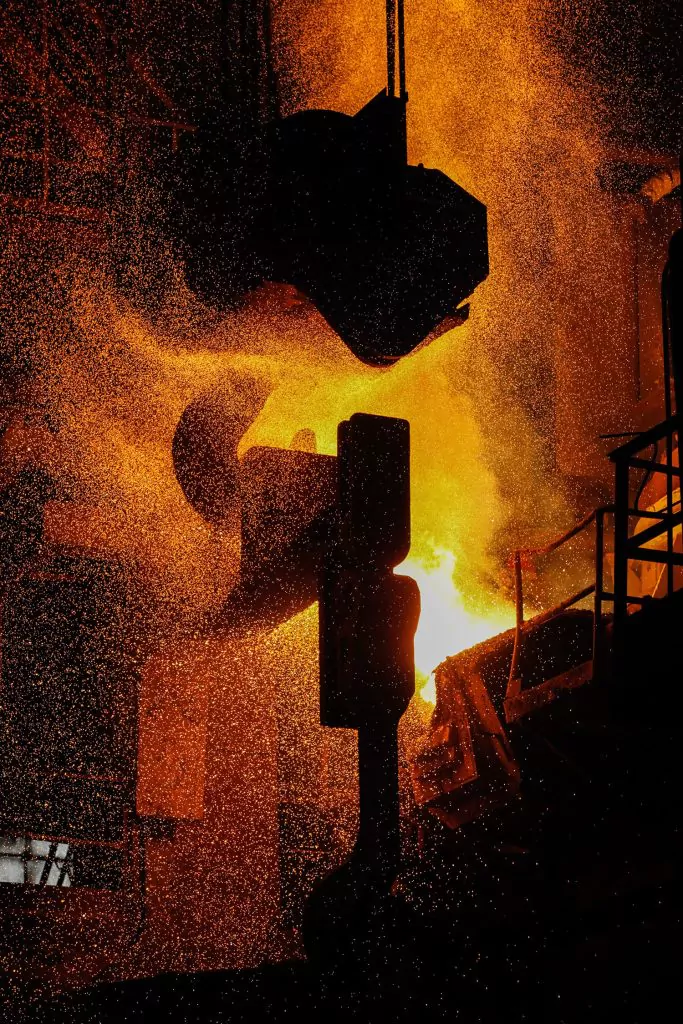
Refractory linings wear progressively through thermal cycling, mechanical erosion, and chemical dissolution by slag. Spot repairs — patching — use refractory patching compounds applied to worn areas to restore the minimum lining thickness before the next heat. CFC manufactures EGYPATCH M (magnesia-based, for high-temperature ferrous applications including steel ladles and EAF hot-spots) and EGYPATCH F (fireclay-based, for grey and ductile iron ladles and furnaces), with EGYPATCH 220 providing an additional patching option. Patching materials must bond quickly to the base refractory, develop adequate strength before the next pour, and match the thermal expansion characteristics of the base lining to prevent cracking at the patch boundary. Effective patching extends lining service life significantly, reducing the frequency of full relining campaigns and the associated production downtime.

CFC Egypt's Metallurgical Chemicals division manufactures three refractory patching compounds: EGYPATCH M (magnesia-based patching material for ladles and furnaces handling steel and high-temperature alloys at temperatures up to approximately 1650 °C), EGYPATCH F (fireclay-based patching material for grey iron and ductile iron ladles and furnaces operating at 1350–1450 °C), and EGYPATCH 220 for specialist patching applications. For broader refractory supply — castables, ramming mixes, shaped refractories, and insulating materials — CFC's Trading Division sources and supplies a full refractory range. Cross-reference also the Patching Materials sub-category within Ferrous Metal Treatment for the detailed product listing.

Refractory selection depends on three principal factors: the maximum service temperature of the vessel, the chemistry of the metal and slag being handled (acid vs basic), and the required service life between relining. For steel EAFs operating with basic slag above 1600 °C, magnesia or dolomite (basic) refractories are required. For grey and ductile iron in induction furnaces at 1350–1450 °C, high-silica or high-alumina linings are standard. For aluminium furnaces at 650–800 °C, alumina or mullite linings are preferred because they resist the fluoride attack of aluminium fluxes better than silica. Thermal shock resistance, thermal conductivity, and the physical installation method (castable, ramming, or pre-formed) are secondary selection criteria. CFC's technical team and Trading Division can advise on the right lining specification for your specific furnace, metal, and operational requirements.

CFC's shaped brick range is graded by alumina content: siliceous fireclay (25–30% Al₂O₃), fireclay (35–45%), aluminous fireclay (50–65%), high-alumina (70–85%) and chemically (phosphate) bonded high-alumina up to 85% Al₂O₃. Lightweight insulating bricks offer a thermal conductivity of 0.5–1.0 W/m·K at a bulk density of 0.8–1.2 g/cm³. Typical applications span tunnel kilns, cement preheaters, steel ladles, blast furnaces, EAF, lime kilns, aluminium melting furnaces, glass furnaces, petrochemical reactors, boiler linings and incinerators.

Unshaped (monolithic) products include traditional hydraulic-bonded castables (40–97% Al₂O₃), low-cement castables (LCC) and lightweight insulating castables. For brickwork jointing, CFC supplies air-setting wet mortars (30–72% Al₂O₃, low shrinkage, high hot strength) and heat-setting dry mortars, including the product ACR-HM80 rated to 1650 °C.

Yes. Cordierite-bonded products (ACR-Cord1 and ACR-Cord2) are supplied as thermal-shock-resistant kiln furniture for the ceramic and tile industry. CFC also supplies calcined kaolin as a binder and raw material for castables and mortars, and custom shapes — ladle, sleeve and nozzle — manufactured to drawing for steelmaking flow control.

Talk to us

Ready to extend your furnace and ladle service life?

Tell us your furnace type, the metal you melt, your current lining material, and the wear pattern you are experiencing. Our technical team can recommend the right patching compound, application technique, and dosing frequency to maximise lining life between relining shutdowns — and coordinate broader refractory supply through our Trading Division.